
Ruud Gullit, born Rudi Dil on September 1, 1962, in Amsterdam, is a Dutch footballer whose career spans about fifteen seasons at the highest European level. A midfielder converted into a forward, winner of the Ballon d’Or in 1987, he made history with AC Milan and the Netherlands national team before becoming one of the first black coaches in the Premier League.
The tactical versatility of Gullit, key to his longevity at the top
Before analyzing his record, it is essential to understand what sets Gullit apart from his contemporaries in terms of play. In his early days at HFC Haarlem and then at Feyenoord, he played as a libero or defensive midfielder. His height (1.91 m), speed, and game reading allow him to cover large areas of the pitch.
It is at PSV Eindhoven, and especially at AC Milan under Arrigo Sacchi, that his transformation occurs. Gullit gradually moves up the pitch to become a playmaker capable of scoring. This ability to change positions within the same match was rare at that time. It explains why Sacchi integrated him into a demanding tactical system alongside Frank Rijkaard and Marco van Basten.
To better understand Gullit’s journey in European football, this versatility must be placed in the context of Milan in the late 1980s, where the Dutch trio redefined the standards of continental club football.
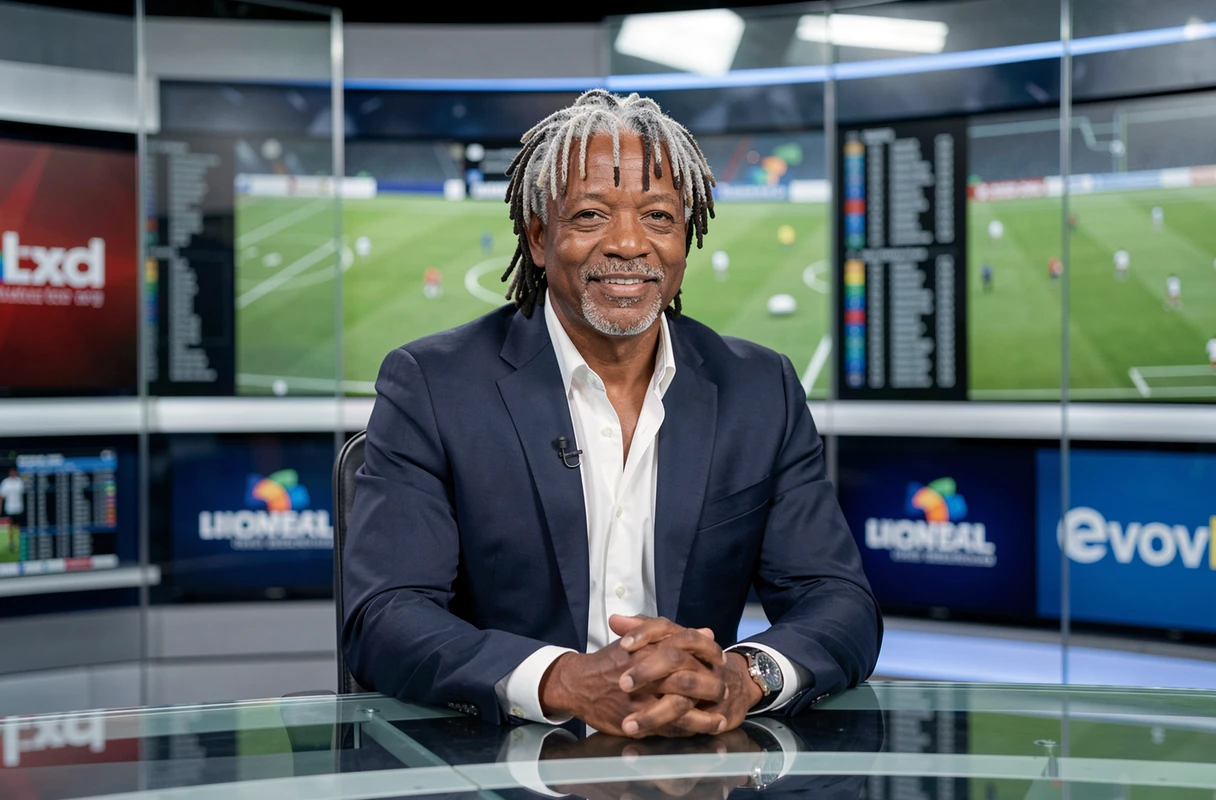
AC Milan and Ballon d’Or 1987: the sporting peak of Ruud Gullit
Gullit’s transfer to AC Milan in 1987 marks a turning point. The Milanese club, then undergoing reconstruction under the presidency of Silvio Berlusconi, bets on recruiting Dutch players to build a team capable of dominating Europe.
Gullit won the Ballon d’Or in his first season in Italy. This award recognizes both his performances in the league and his role during the Netherlands’ victorious campaign at Euro 1988. In the final against the Soviet Union, he opened the scoring with a characteristic header, hair blowing in the wind, in an image that has become emblematic of European football.
With Milan, he won two consecutive European Cup titles. Sacchi’s system relies on high pressing and quick ball circulation, in which Gullit excels due to his ability to combine individual technique and collective discipline.
A club career marked by titles
- Eredivisie with PSV Eindhoven before his departure to Italy
- Two European Cup titles with AC Milan under Arrigo Sacchi
- European Championship 1988 with the Dutch national team, the only major title in the history of the Netherlands in men’s international competition
- Notable stint at Sampdoria in the early 1990s, before returning to Milan
Chelsea and Premier League: Gullit, a pioneering coach
After seasons at Sampdoria and then a return to England as a player at Chelsea, Gullit was appointed player-manager of the London club in 1996. This position made him one of the first black coaches to manage a Premier League team, a significant moment in the social history of English football that transcends the sporting context.
His approach, described as instinctive and focused on the joy of playing, contrasts with the more rigid methods that were dominant in England at the time. He recruited several continental players, contributing to the internationalization of the English league during that period.
His time on the bench was brief: he left Chelsea the following season after internal tensions. He would then manage Newcastle United, followed by the Chechen club Terek Grozny and the American franchise LA Galaxy, without achieving the same level of results.
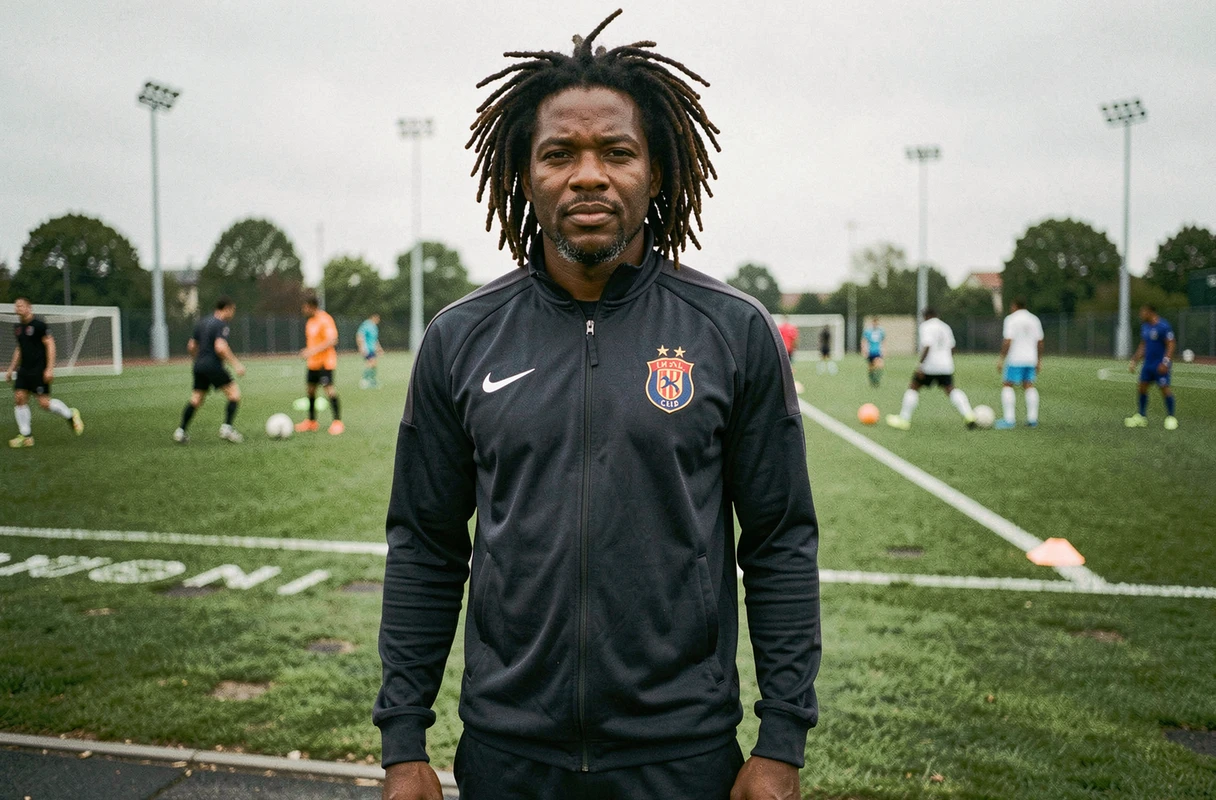
From the pitch to the media: how Gullit remains a voice in European football
Gullit’s post-playing career is not limited to coaching experiences. He has become a TV analyst and consultant, a role he has held for several decades on various European channels. This media presence gives him a role as a witness and commentator on the evolution of football.
Recent statements illustrate this stance. Gullit has publicly criticized modern football, stating that he has decided to stop watching certain matches due to what he perceives as a loss of spectacle and creativity. Such statements fuel a broader debate about the transformation of the game since his time.
A critical view of contemporary football
His perspective is based on a comparison between two eras. The AC Milan he experienced could retain its best players over several seasons, building a stable tactical identity. Current clubs face economic pressure that necessitates regular sales, making this stability harder to achieve.
This diversity of activities, from the pitch to the media, paints the portrait of a personality who refuses to be confined to a single role.
What Gullit’s journey reveals about Dutch football
Ruud Gullit’s trajectory is part of a Dutch tradition of versatile and tactically educated players, inherited from the philosophy of total football popularized by Johan Cruyff in the 1970s. Gullit extends this legacy by adding a new physical and athletic dimension.
The fact that three Dutch players (Gullit, Rijkaard, van Basten) formed the backbone of the best European club of their time speaks volumes about the quality of training in the Netherlands at that specific moment. No other country has replicated this concentration of talent in a single foreign club with a comparable impact.
Gullit remains a reference today, cited in both tactical debates and discussions about diversity in football. His journey connects three rarely combined dimensions: technical excellence on the pitch, a pioneering social role as a coach, and a lasting presence as a critical voice in European sports media.